
Understanding Your Retina Diagnosis: What Happens Next?
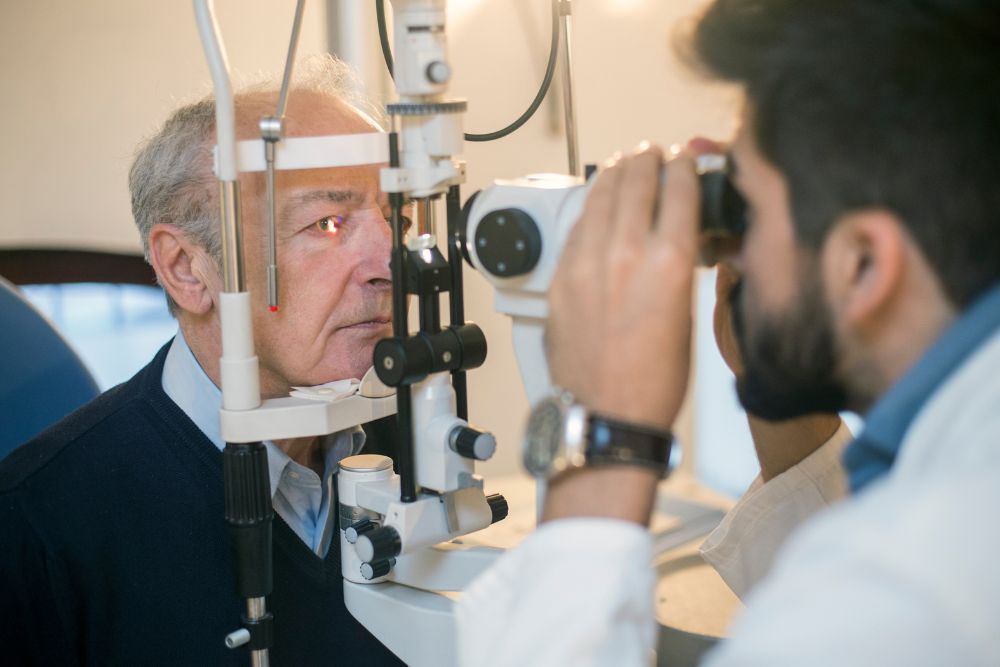
Getting a new diagnosis can be overwhelming, particularly when it involves something as complex as your retina and as important as your vision. Knowing what to expect next can ease anxiety and help you work alongside your retina specialist to develop a treatment plan you can be confident in.
The Steps After a Retinal Diagnosis
Once you have a diagnosis, your retina specialist may recommend additional testing to get a clearer picture of your condition. Depending on your diagnosis, your retina specialist may recommend additional imaging or testing to better understand your condition. This may include optical coherence tomography (OCT), which provides detailed cross-sectional images of the retina, or fluorescein angiography, which helps evaluate blood flow and identify leaking or abnormal retinal blood vessels. Other tests may be recommended based on the condition being evaluated.
After your tests, you and your doctor will create a treatment plan tailored to your needs. This is where things can get a bit daunting, as treatment recommendations can vary greatly depending on the type of retinal condition you’re facing and its severity. Some retinal conditions may require regular monitoring without immediate treatment, while others may require medications, intravitreal injections, laser treatment, or surgery. In certain cases, managing underlying health conditions such as diabetes or high blood pressure may also be an important part of protecting retinal health.
What to Expect at Follow-Up Visits
Retinal care often involves ongoing monitoring, even when treatment is not immediately necessary. Your retina specialist will recommend a follow-up schedule based on your diagnosis, the severity of your condition, and whether you are receiving treatment.
At follow-up visits, your care team may repeat parts of your eye exam or imaging tests such as OCT to look for changes in the retina. If you are receiving treatment, these visits also help your retina specialist evaluate how well your condition is responding and determine whether your treatment plan should be continued or adjusted.
Your follow-up schedule may change over time as your condition stabilizes, progresses, or responds to treatment. Keeping these appointments is an important part of monitoring your retinal health and identifying changes that may require attention.
Asking Questions
One of the most important things you can do after receiving a retinal diagnosis is to ask questions. Understanding your specific condition, the proposed treatment options, and the rationale behind them empowers you and fosters a collaborative environment with your retina specialist. Some helpful questions to consider include:
- What is the specific nature of my retinal condition?
- What are the available treatment options, and what do they entail?
- What side effects should I be aware of?
- How will treatment affect my daily activities?
- How often will I need follow-ups, and what will they involve?
- Know When to Report New Symptoms
Your retina specialist can also explain which symptoms should prompt you to contact the office between scheduled appointments. New or worsening flashes and floaters, a curtain or shadow in your vision, or a sudden change or loss of vision can sometimes signal an urgent retinal problem. If you experience sudden or significant vision changes, seek prompt medical attention rather than waiting for your next scheduled visit.
Moving Forward With Your Care
A retinal diagnosis can feel overwhelming at first, but many retinal conditions can be effectively treated or monitored over time. Understanding your diagnosis, knowing what your treatment plan involves, and asking questions can help you feel more informed about what comes next.
Keeping your scheduled follow-up appointments is also an important part of retinal care. These visits allow your retina specialist to monitor for changes, evaluate how well treatment is working when needed, and adjust your care plan over time. By staying engaged in your care and following your specialist’s recommendations, you can take an active role in protecting your vision and managing your retinal health.