
Why Do Eye Floaters Become More Common with Age?
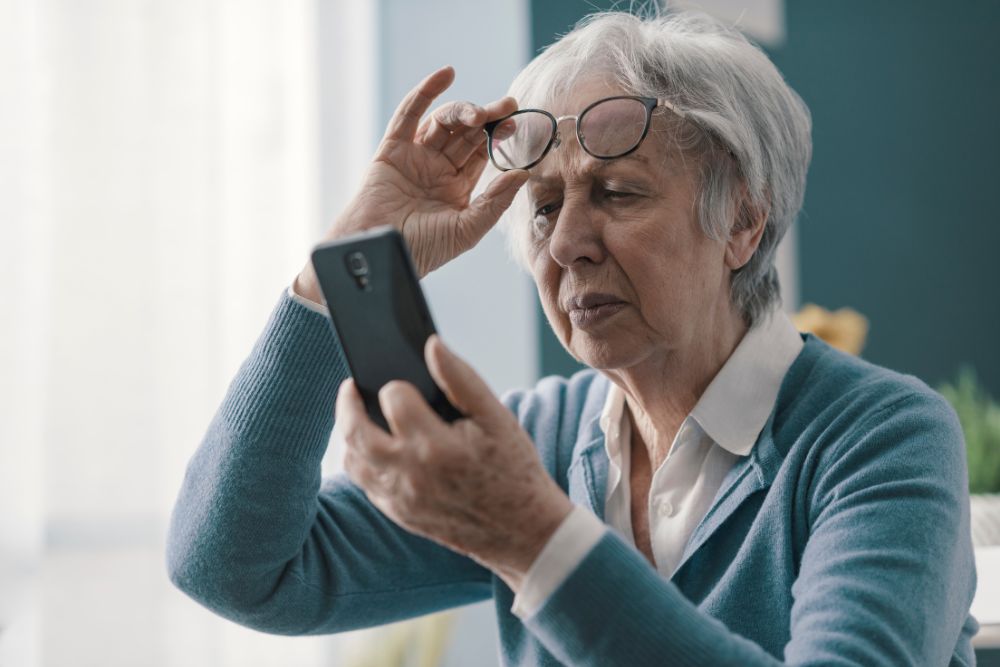
Have you ever noticed small specks or swirling lines drifting across your vision? These visual disturbances are called floaters. While they can be annoying at times, they're often a harmless sign of aging. However, understanding what floaters are and why they become more common as we age can help you determine when they might indicate a more serious issue that requires medical attention.
What Are Floaters?
Floaters are tiny spots or lines that appear to move when you shift your gaze. They can vary in shape and size and often become more noticeable against bright backgrounds, such as a clear sky or a white wall. These floaters form in the vitreous gel, which is the clear, jelly-like substance that fills the inside of your eye. This gel helps maintain the eye's shape and plays a crucial role in focusing light onto the retina, the light-sensitive layer at the back of the eye responsible for vision.
Aging and the Vitreous Gel
As we age, the vitreous gel in our eyes changes. It begins to liquefy and shrink, potentially pulling away from the retina. This process may lead to the formation of small clumps or strands within the vitreous gel. These clumps cast shadows on the retina, which we perceive as floaters. This phenomenon is a normal part of aging and affects many people, particularly those over 50.
When to Seek Help for Eye Floaters
While most floaters are harmless, they can sometimes indicate more severe vision-threatening conditions, such as retinal tears or detachments. It’s essential to monitor any changes in your vision, schedule regular retinal exams, and stay alert for symptoms that could signal a more serious issue, including:
- A sudden increase in the number of floaters
- Floaters accompanied by flashes of light
- Changes in the quality or clarity of your vision
- Any other unusual symptoms affecting your eyesight
If you experience any of these symptoms, it's crucial to seek medical attention right away. Staying informed about your retinal health can lead to early detection and better outcomes, making routine check-ups with a retina specialist an essential part of maintaining your overall vision.